A recent EU study confirms what many researchers and innovators already know: that turning brilliant ideas into products people actually adopt is challenging. Not just technically, but also because the usual commercialisation pathway often skips over some crucial questions. Does this actually work for the people who will use it? Do they trust it? Do they even want it?
The study recommends equipping researchers and innovators with practical product-development skills and fostering collaboration between research and business. At CO-VALUE we’re testing what happens when you add a third element: bringing citizens into the process from the start. We call this co-valorisation, and it’s where our work on participatory methods meets the world of startups, market uptake and competitiveness.
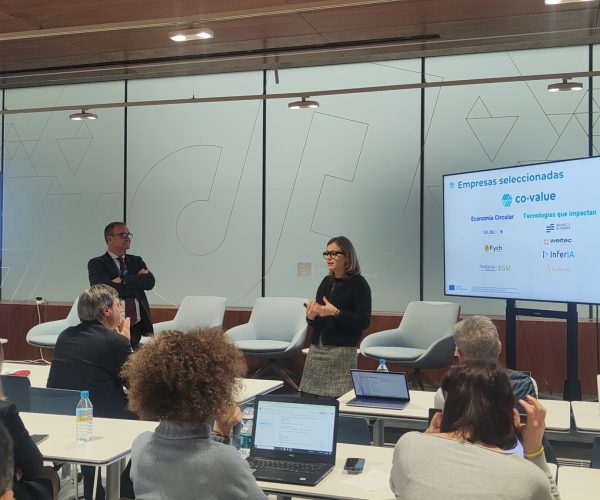
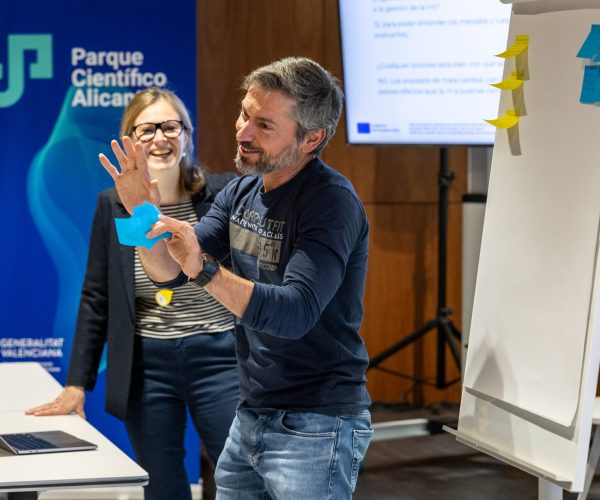
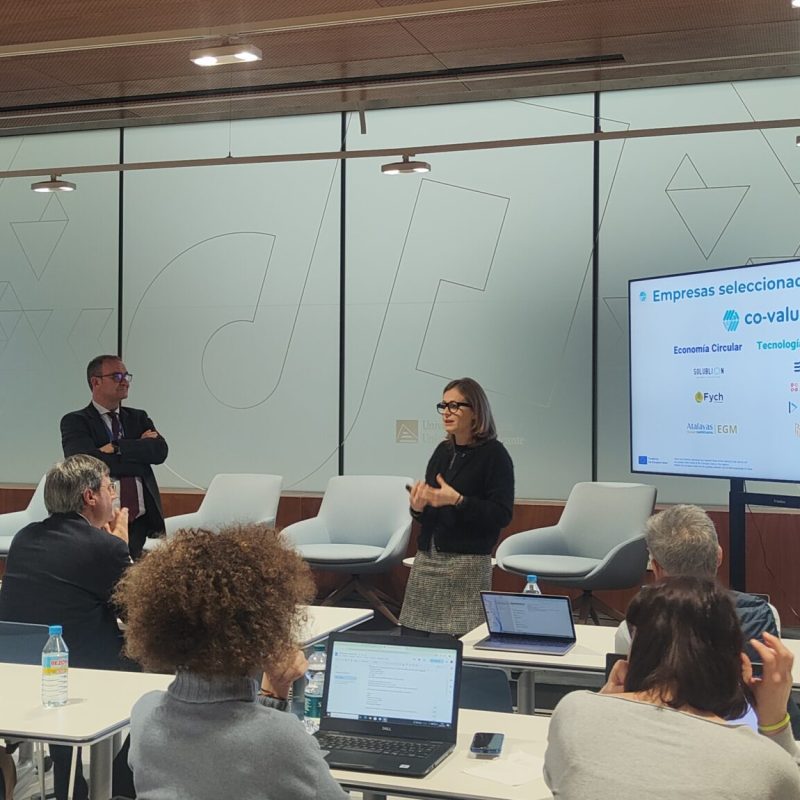
In Alicante, we’re running local pilots with startups from the Scientific Park. We designed the sessions drawing from Stickydot’s experience with participatory processes, creating conditions where citizen participants and startup representatives can genuinely co-create rather than just consult. The Stickydot team adapted the language to each audience, clarified what “success” looks like for citizens, startups, and the science park, and addressed intellectual-property questions early with both companies and citizen participants.
The process generates evidence on three factors that determine whether people will actually use a product: usability (does it work for intended users?), trust (what needs to be in place for acceptance?), and value proposition (which economic and societal benefits matter, and to whom?). The goal is to help founders make product decisions while there’s still room to change course, while citizens shape technologies that will affect their communities.
One example is our work with startup teams developing drone solutions. Citizen participants help identify socially beneficial use cases such as search and rescue, and define conditions that make the solution acceptable, safe and effective. They also raise clear requirements around data protection – how personal data should be handled, protected, and kept from being shared with third parties.
In another pilot the focus was placed on biodegradable plastics. Here citizens took an active role in shaping new products for everyday use, with a strong focus on healthcare applications. Working together, they co-created practical solutions such as biodegradable packaging for medical supplies, specifically designed for health institutions to replace single-use plastic. The initiative supports daily clinical routines while significantly reducing plastic waste and balancing environmental responsibility.
Part of CO-VALUE’s work is making these methods replicable. Which is why we’ll be offering free trainings in Brussels in 2026 to help intermediaries, researchers, and startup teams adopt this approach.
The EU study calls for stronger commercialisation capability and better research-business links. CO-VALUE’s response: a repeatable method that accelerators and science parks can adopt, field evidence on what citizen engagement produces, and training to help teams run these processes themselves. All in an effort to move from principles to practice.
Follow our website for more updates or get in touch if you’re curious about co-valorisation. https://co-value.eu/co-valorisation/ or https://co-value.eu/contact/